When people hear “uncensored AI image generators”, it tends to trigger strong reactions. While it immediately raises red flags for some, it sounds like a shortcut to misuse for others. But what should come to mind, rather, is understanding what “uncensored” actually means in practice, and why that flexibility can be useful in legitimate, everyday work.
At its core, an uncensored AI image generator is simply a tool with fewer built-in restrictions on what it is allowed to create. That does not automatically make it harmful or unethical. Like any creative technology, its impact depends on how it is used, who is using it, and for what purpose.
When you move past the assumptions, there are many valid, responsible reasons people choose less restricted image generation tools. These reasons often have nothing to do with shock value or boundary-pushing, and everything to do with realism, accuracy, creative freedom, and professional needs that overly filtered systems struggle to meet.
This post focuses on those legitimate use cases and not speculation, controversy, or extremes.
What Does “Uncensored” Really Mean?
What Does “Uncensored” Really Mean?In this context, it doesn’t mean anything illegal or abusive. What it usually means is that the model does not use heavy filters that automatically shut down requests involving things like human anatomy or detailed body features, even when there’s no sexual intent behind them. Many mainstream image generators, though designed with good intentions, often reject requests that are reasonable and clearly well-intentioned.
The model doesn’t understand why an image is being generated, only that certain visual elements appear to cross a predefined line.
That’s how an artist studying realistic anatomy can suddenly hit a hard stop, or a medical illustrator can find an educational prompt rejected without explanation. Even fashion designers run into this problem when they’re unable to generate accurate body forms simply because the system treats all detailed human figures the same way, regardless of purpose.
Hence, for people who need images to be precise and realistic,these uncensored AI image tools are often the only ones that make sense.
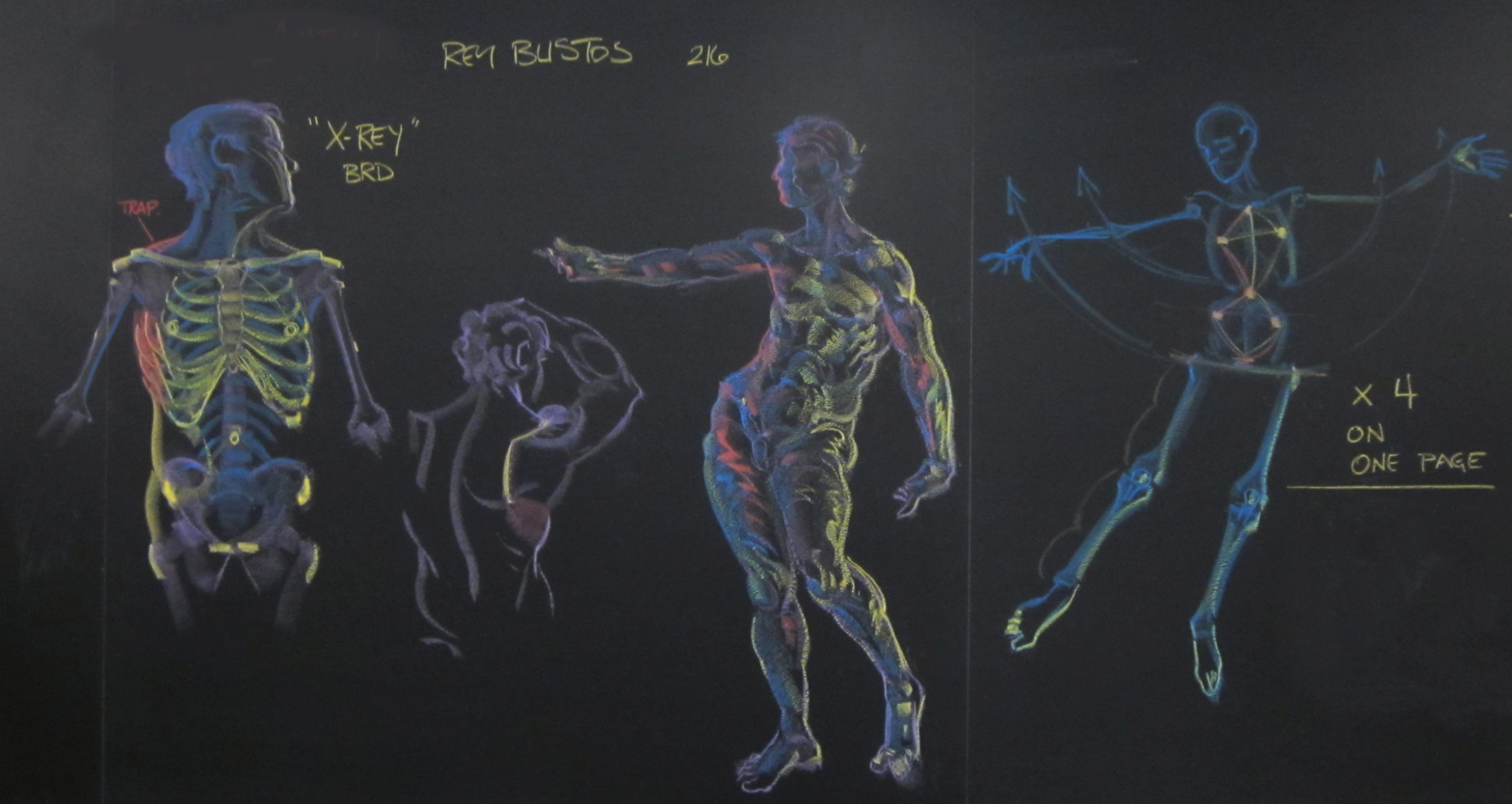
Artistic Anatomy and Figure Studies
One of the oldest uses of visual art is the study of the human form. Long before cameras or AI, artists studied anatomy through sketches, sculptures, and live models. That practice has not disappeared, but many modern AI tools make it harder than it needs to be.
Highly restricted generators often blur, distort, or outright refuse to generate anatomically accurate bodies. This creates a problem for artists who are not trying to create explicit content but simply want to understand proportion, posture, muscle structure, or movement.
But uncensored AI image generators allow artists to:
- Practice realistic figure drawing
- Study how bodies look in different poses
- Explore lighting on natural forms
- Work with a wider range of body types
Also, instead of spending hours hunting for the right reference images, digital artists, concept designers, and illustrators can generate exactly what they need and adjust things like angle, lighting, or composition until it makes sense for the work they’re doing.
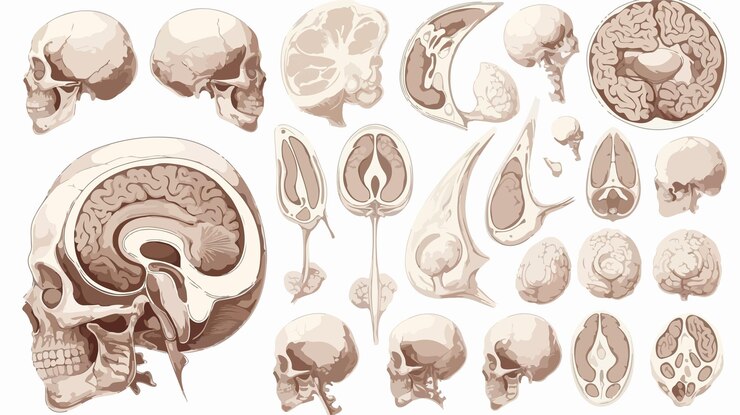
Medical and Educational Illustration
Another legitimate use case lies in education, particularly in medical and health-related fields.
When creating medical illustrations, accuracy is far more important. You need to show bodies the way they really look, including things that filtered systems avoid.
But when generators are tightly restricted, the images they produce may technically be allowed, but they often fall short of being genuinely helpful in an educational setting. With appropriate prompts and responsible usage, uncensored generators can help with:
- Anatomy diagrams
- Educational visuals for training materials
- Patient education illustrations
- Demonstrations of physical conditions
Removing unnecessary filters helps professionals generate visuals that are closer to reality and easier to understand.
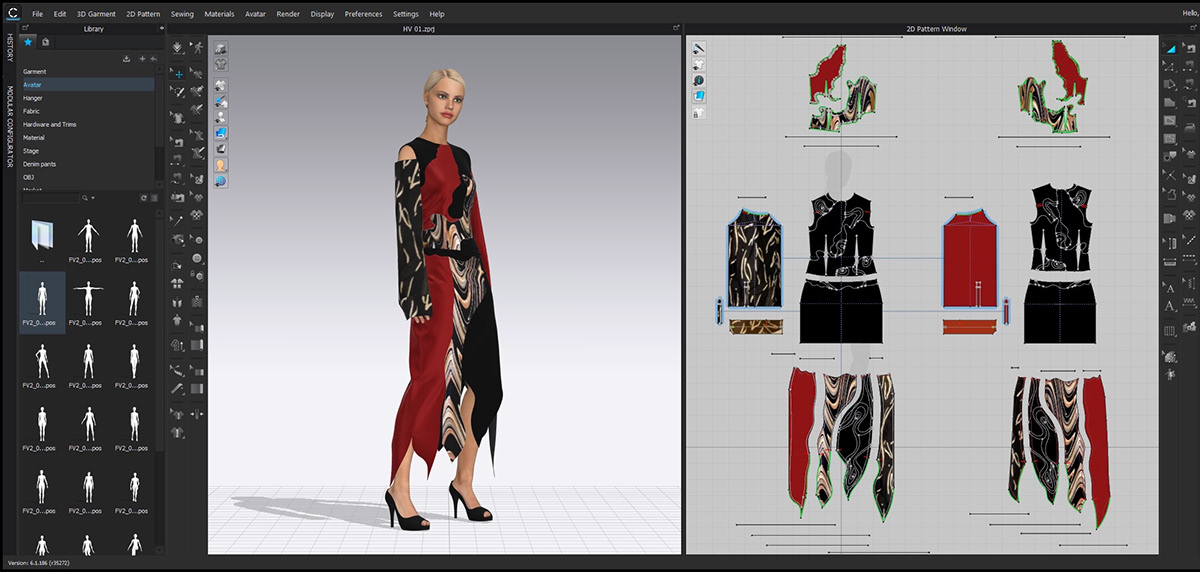
Fashion Design and Fit Visualization
Fashion is another place where heavy censorship gets in the way. To design clothing properly, you need to see how it fits on real bodies, not idealized ones.
Once physical detail starts getting erased or distorted, the images may look safe, but they no longer help designers make good decisions. Uncensored image generators, on the other hand, allow designers to:
- Visualize garments on different body types
- Test how materials drape and fold
- Explore inclusive sizing concepts
- Create more realistic mockups
This is really valuable for independent designers who do not have access to professional models or expensive photo shoots. The technology lowers barriers without removing realism.
Body Positivity and Representation
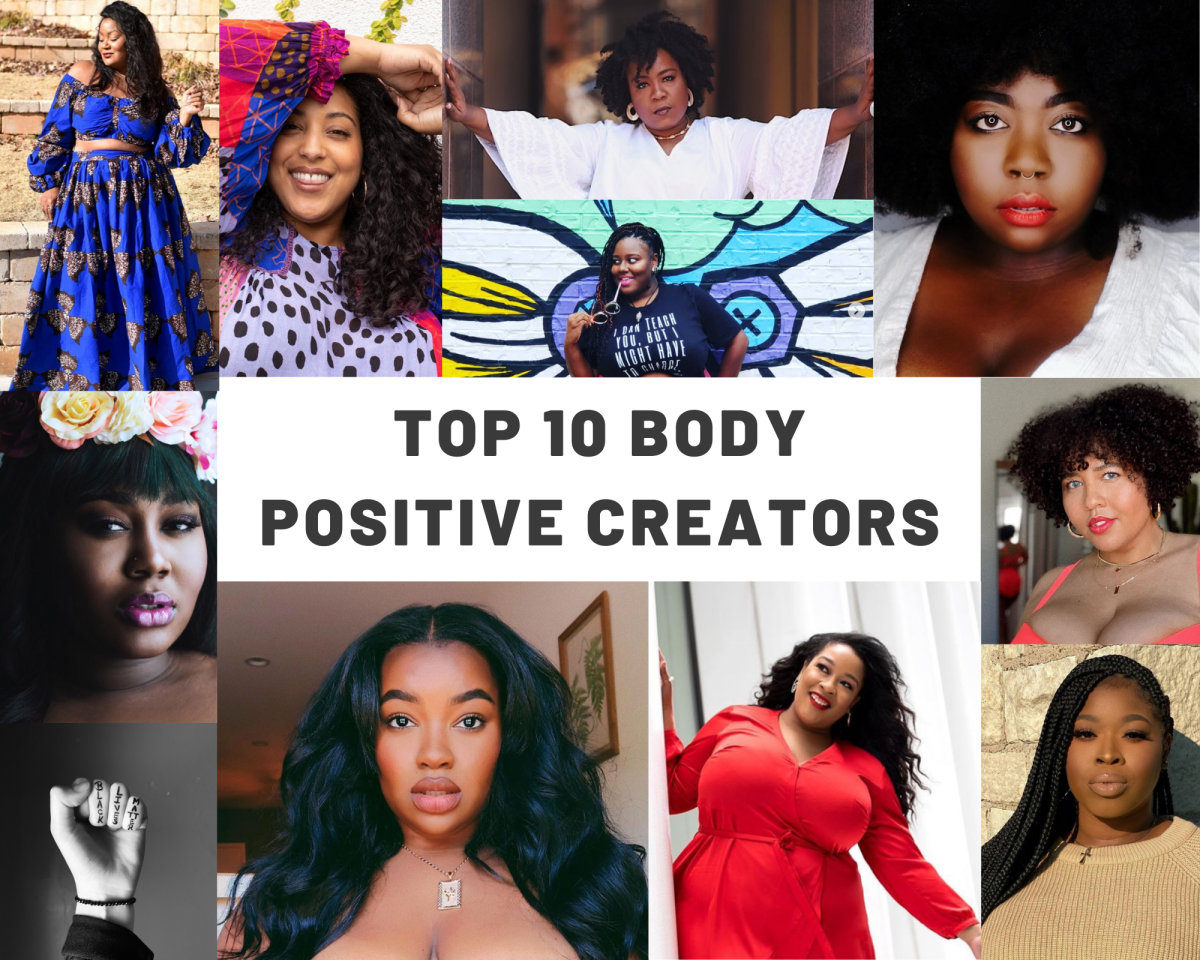
A lot of mainstream image generators quietly push a very narrow idea of what bodies are supposed to look like. Even when nothing is technically being censored, the images tend to drift toward the same smooth, idealized shapes over and over again.
But uncensored generators make it easier to move away from that, allowing creators to work with bodies that look more like real people, complete with differences in age, size, posture, scars, and all the small variations that don’t fit a polished template.
Used thoughtfully, this supports:
- Body positivity projects
- Inclusive marketing concepts
- Representation in art and media
- Visual storytelling that feels authentic
Creative Freedom for Concept Artists
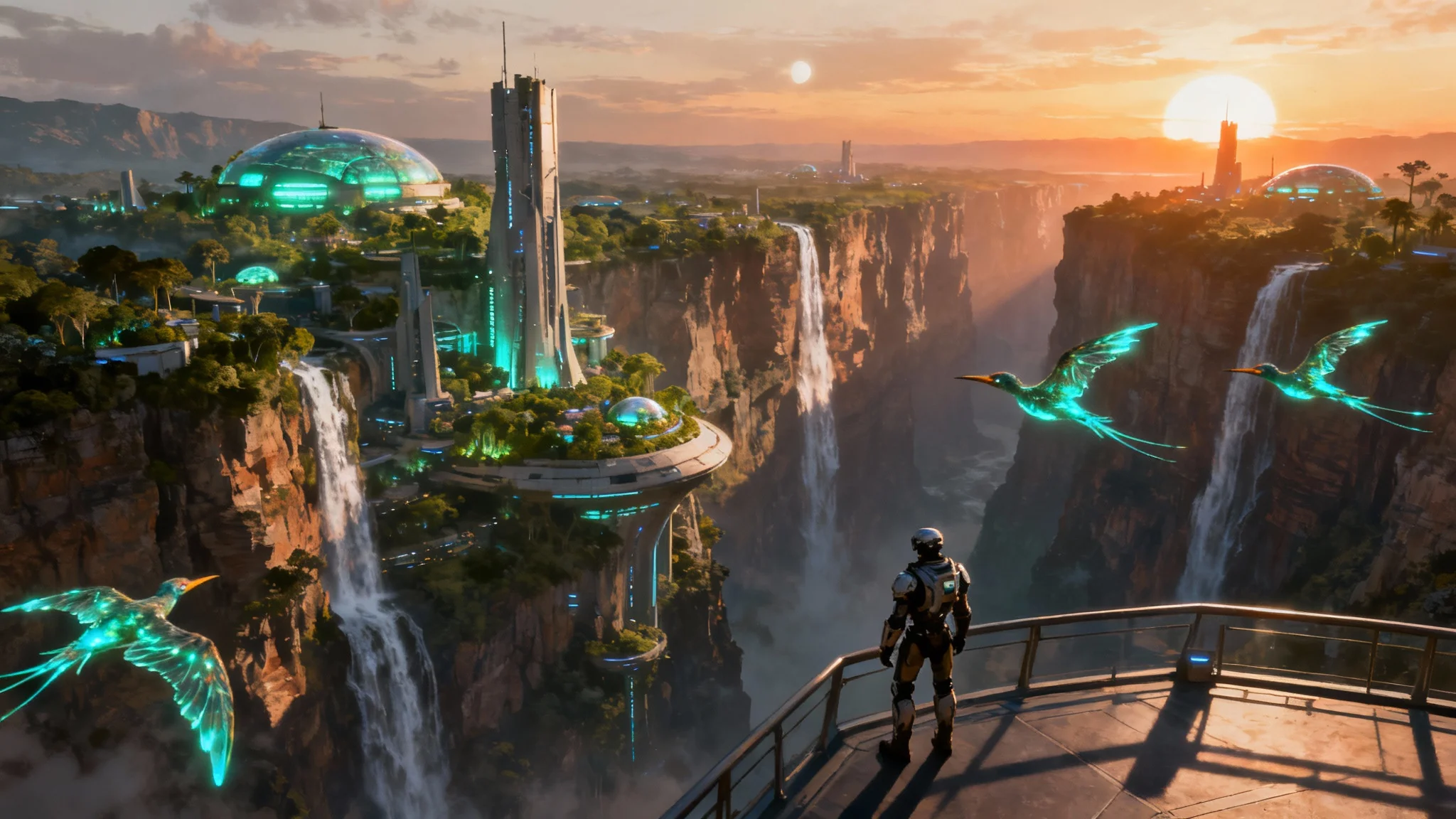
Concept art often goes into places that standard tools don’t quite know how to handle, and that isn’t because the work is inappropriate. It’s usually because the ideas are imaginative, experimental, or simply outside the usual patterns around which those tools are built.
Concept artists working on games, films, and personal projects often need:
- Unusual character designs
- Fantastical creatures with human traits
- Dark or emotionally complex themes
- Raw visual storytelling
Overly filtered generators tend to flatten these ideas, removing details that give the work emotional weight. Uncensored tools make it easier for artists to follow an idea without constantly running into automated rules, which matters most early on, when experimentation is still more important than having everything look finished.
Research, Testing, and Model Evaluation
There is also a technical audience that uses uncensored generators for research purposes.
People who build and study image models need to see how those systems behave across a wide range of prompts, including the awkward edge cases and sensitive areas where bias or distortion tends to show up. When systems are heavily restricted, it becomes much harder to observe those behaviors clearly or learn from them.
Uncensored models provide clearer insight into:
- Model limitations
- Bias patterns
- Consistency of outputs
- Prompt sensitivity
These evaluations help to improve AI systems without undermining them.
Avoiding Over-Sanitized Visual Culture
One subtle issue with heavy censorship is that it creates an artificial visual world. Everything becomes smooth, safe, and detached from reality. Over time, this can limit creativity and distort expectations.
Uncensored tools allow creators to engage with subjects as they actually are, not as algorithms decide they should be. This does not mean removing all ethical judgment, but trusting users to make responsible choices despite having flexible tools.
Creative industries have always been known for tools that are susceptible to misuse, such as cameras, editing software, and even publishing platforms. Instead of limiting the tools themselves, people focused on setting norms and accountability around their use.
Realistic Storytelling and Visual Narrative
Good storytelling usually comes down to honesty. That doesn’t mean shock or exaggeration for its own sake, but being willing to show things as they are.
Writers, filmmakers, and visual storytellers sometimes need imagery that reflects uncomfortable realities, whether that’s vulnerability, injury, aging, emotional strain, or physical imperfection. None of those subjects is inherently inappropriate, yet they’re often the first things to get filtered out or softened by heavily restricted image generators.
Uncensored AI image tools give creators more room to explore ideas visually, whether that’s developing characters who feel physically and emotionally grounded, shaping scenes that match the tone of serious or dramatic stories, or creating visual references that align closely with a written narrative.
For authors and screenwriters especially, these images are rarely meant to be finished products. Writers often use images as private references, and when those images are censored excessively, they do not align with the story anymore. Hence, fewer restrictions work better.
Ethical Use Without Heavy-Handed Restrictions
Using these tools responsibly doesn’t depend on extreme technical limits. It depends much more on why someone is using them and the context they’re working in. People using these tools professionally aren’t operating without guardrails. Their work already comes with expectations, rules, and consequences. So they are only looking for tools that don’t assume bad intent at every turn.
Ethical use is better supported by:
- Clear terms of service
- Strong moderation at the platform level
- Consequences for misuse
- User education
Uncensored AI image generators place responsibility where it belongs: on the person using them. That responsibility includes:
- Understanding legal boundaries
- Respecting consent and privacy
- Avoiding harm or exploitation
- Using generated content thoughtfully
For professionals, this responsibility is already part of their work. For casual users, it is something that can be learned.
Conclusion: Choosing the Right Tool for the Right Job
Not every project needs an uncensored generator. In fact, many projects are better served by mainstream tools with built-in safeguards. Social media content, general marketing visuals, and casual experimentation often benefit from simpler systems.
But when realism, accuracy, or creative freedom matter, less restricted tools have a clear place. The key is alignment. The tool should match the task, the audience, and the responsibility level of the user.