Of late, private AI video generation has become one of the most discussed technologies. Everyone desires to make videos independently and not be at the mercy of big companies or public platforms for that. They choose to have complete control over what they create, how they use that creation, and where they go with their data. This marks the place where private or uncensored AI video creation comes in. It gives users the freedom to create content securely without strict limitations or privacy worries.
First, to understand private AI video generation, it’s essential to consider the core technology that drives this area: deep learning models, particularly diffusion models and generative adversarial networks. These models study the patterns from large datasets of things such as human actions, lighting, camera movements, textures, and object shapes. After learning these patterns, the model uses that knowledge to build new, original videos from your prompts or reference images.
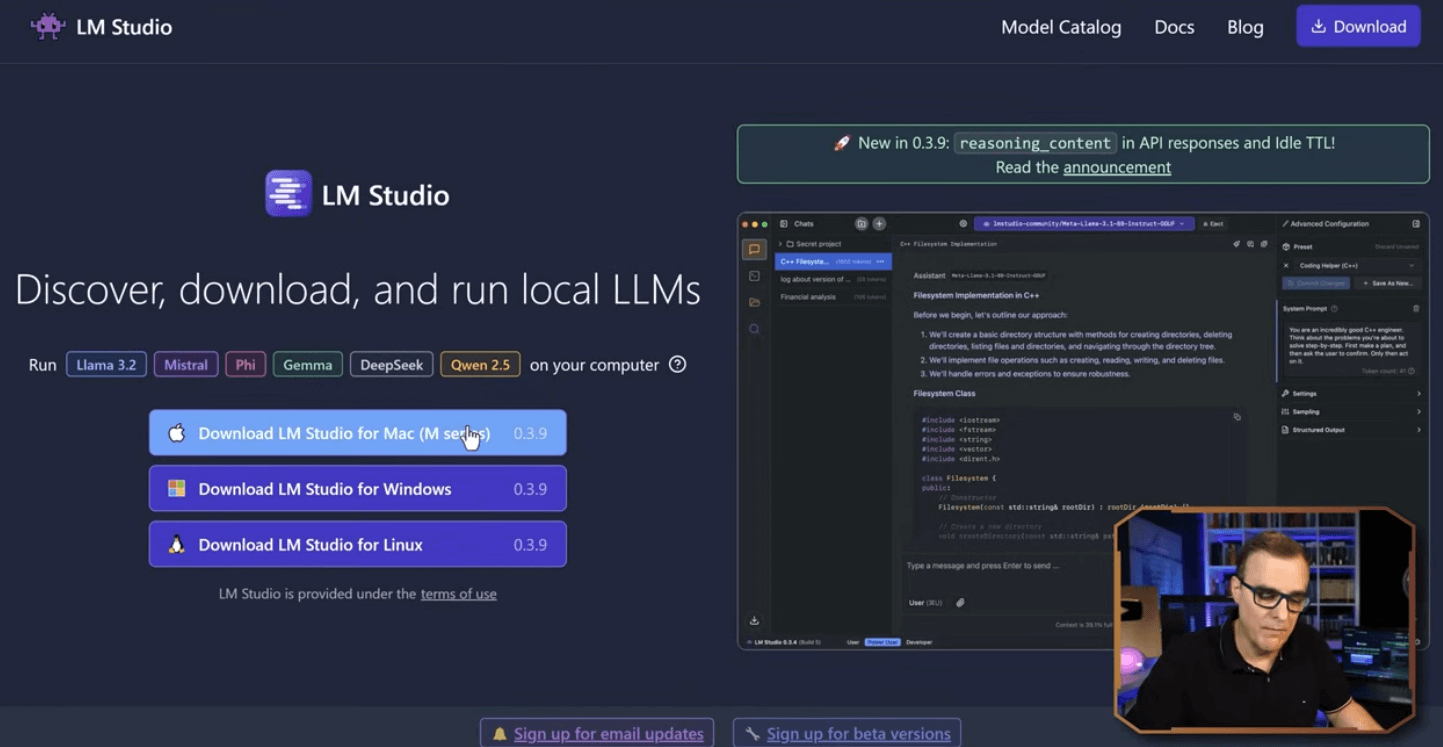
But the “private” part makes this system different. In private AI video creation, the model is either stored on your personal device, in a closed local server, or on a self-hosted cloud setup. This means nothing gets uploaded to a public server, which protects your identity, your files, and your creative ideas. The whole process stays inside your own environment.
The workflow usually begins with a text prompt or image input. You describe the scene you want, such as movement, background, colors, character style, or actions. For image inputs, you can upload reference pictures to help the model understand your expectation. A private AI model processes your input and converts it into a “latent space,” which is like a simplified version of your idea. Inside this space, the AI breaks down your request into shapes, motion structure, and timing.
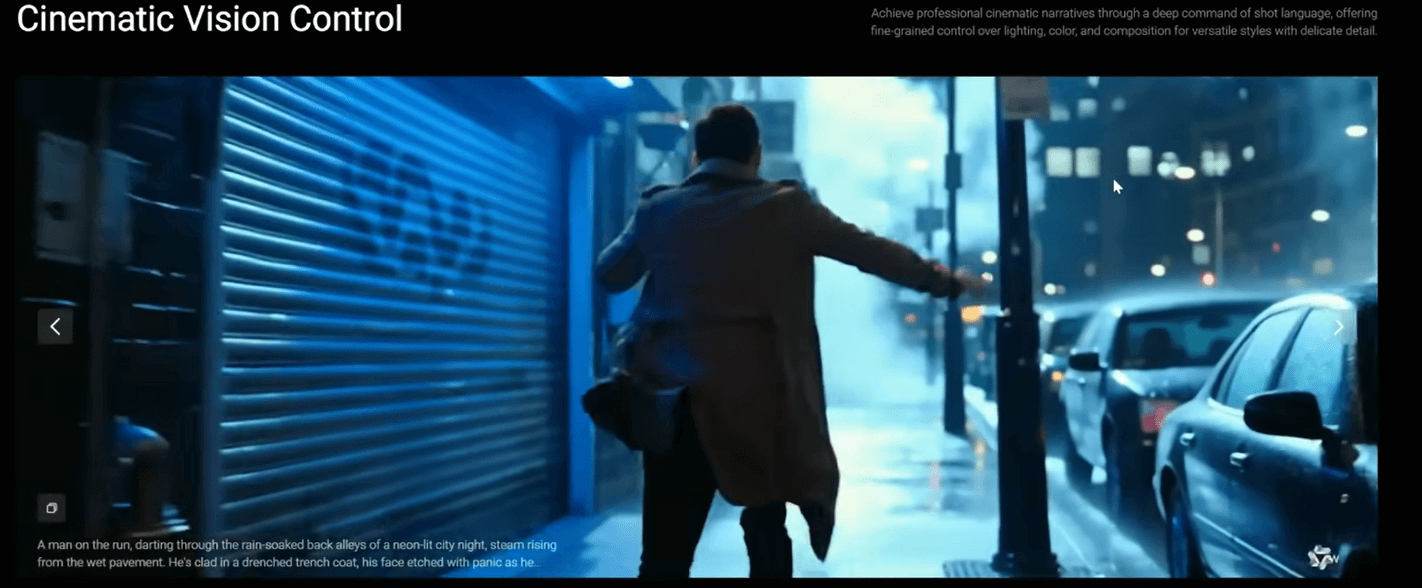
Once the model forms a basic structure, it starts generating the video frame by frame. This is done using mathematical noise that slowly transforms into a clean, realistic video. Because everything runs privately, you can generate unrestricted or uncensored content without moderation filters blocking your creativity.
After the AI builds the initial video structure in the latent space, it begins a refining stage. This stage is important because raw generations usually start as blurry, noisy shapes. The model uses its trained knowledge to clean these shapes and turn them into clear visuals. In simple words, it transforms “rough ideas” into “finished scenes.” This happens through multiple layers of neural networks that analyze motion, color, body movement, shadows, and even small details like hair flow or object textures.
Private AI systems also allow advanced control over the final output. For example, users can adjust the frame rate, video length, camera angle, and movement style. Some private models include features like pose control or motion tracking, which help you direct the exact motion of characters. This means that since it’s an uncensored system, it does not restrict your creativity. You can create real, artistic, stylized, or experimental images according to your needs.
Another critical consideration is the local processing power. Private AI video generation depends heavily on GPU strength. A modern GPU can handle huge amounts of data quickly, which helps the model generate video faster and at higher quality. Some users run these models on powerful PCs, while others use private cloud servers where only they have access. This setup ensures both speed and privacy.
To keep everything secure, private AI tools often come with offline mode, end-to-end encryption, and local cache control. These features stop outside parties from tracking your prompts, files, or output. Since no third-party platform reviews your content, you can work with full confidence that your ideas remain yours alone.
Many private models also let you train the AI on your own custom data. That is called fine-tuning. You can then add your own pictures, styles, or example videos to make the model familiar with your style. This will result in an output close to perfection and of your style. For instance, if at some point during your lifetime you may desire that a certain style of character should also be produced by the AI, fine-tuning will ensure that the AI does not forget the style.
After the AI is done processing all the frames, the final step in the processing system would be the final rendering phase. After the AI is done processing all the frames, the final step in the processing system would be the final rendering phase. In this step, the transitions will be smoothed out, bugs in the visualization are removed, or the colors or lighting can be enhanced. In some home AI configurations, there are additional features for removing flickers or sharpening facial or object features. All this helps to make the final video appear more natural. Since you are in control of the entire environment, you can opt to post-process or opt out.
Another important part of private AI video generation is data ownership. In public or commercial AI platforms, the service provider often keeps logs of your prompts or stores your outputs temporarily. But with private and uncensored systems, all files remain in your own storage. It is up to you what is left, deleted, and modified. This technology would be a boon to content producers who wish to have full freedom without a concern that their content could be tracked and restricted in any way.
In private AI, the iterative generation feature allows the user to generate a video, make changes, and regenerate it. In some cases, editing is even possible at the frame level, allowing the user to alter certain points in the video. The level of control this provides is one of the key reasons why commercial AI video tools have been so effective.
In addition to that, uncensored AI models allow for more experiments to happen. Without strict censorship, there is room to do more within stories, animations, surreal artwork, studies, and concept development. It provides artists and creators with leeway to create content that may otherwise be prohibited on social platforms for AI development.
The entire process, from input to output, occurs within a secure, closed environment: Your data never leave your device or private server. This will give you the absolute assurance of privacy while you keep enjoying advanced AI capabilities. The combination of local processing, unlimited creativity, and complete data control is what makes private AI video generation a powerful and growing technology.