Rapid advancements in AI technology are revolutionizing the way companies create, share, and translate digital content, using computer vision and deep learning to produce hyper-realistic AI-generated video. Although many companies create strict content moderation technologies, the rapid development of disregard for moderation in video generation AI raises serious ethical, legal, and regulatory issues. This technology operates without strict enforcement of content moderation, potentially churns out harmful content without oversight, and raises serious ethical, legal, and social concerns.
Despite the lack of moderation, the use of such AI video generation tools is not necessarily bad. Just like any other type of technology, they can be both good and bad, which is why the manner in which they are used is most important. Policies and systems must be implemented to provide ethical and responsible use to protect individuals and systems from being compromised by bad use, and to maintain good faith in the systems.
In this article, we discuss the issues and risks associated with video generation systems, the ethics associated with such systems, and propose responsible practices to address these issues.
Understanding Uncensored AI Video Technology
While many video generation systems are designed and used for ethical and social good, Digital AI software systems that create and alter videos without responsible moderation and without any kind of self-regulation are such systems. Examples of such systems may include:
- Text-to-video systems
- AI-based animation tools
- Deepfake Technology
Credible videos, voices, and movement generation rely on the most advanced neural networks and sets of data, while most system abuses are mitigated by censorship controls. Uncensored systems, however, remove or lessen these controls, putting the burden of policies and care on the user and the system’s creator.
Uncensored ethical system videos
I. Possible manipulation & reputation falsification
The system cannot adjust to the falsification of reality, turning a video into a weapon for abuse. Potentially causing:
- The spreading of deception
- Manipulation of public perspective
- Reputation damage
- Trust erosion of journalism and the media
- Privacy abuse and system impersonates
The unethical systems use video-generating tools of AI to mimic faces, voices, and manners of videos of real people, fundamentally lacking the correct use of systems. Consequently, impersonation systems use unethical reliance on abuse of personal images and videos, impersonation, and exploitation of the private sector.
II. Psychological and Social Harm
Emotional distress, harassment, and damage to one’s reputation due to unregulated AI video content are very real dangers. The victims of malicious videos generated by AI endure:
- anxiety
- Social exclusion
- Damaged employment prospects
An ethical obligation extends beyond the available technology; it also includes the consequences of emotionally and psychologically damaging AI-generated content.
III. Legal and Accountability Gaps
The rapid shift in tech has outstripped those creating laws and regulations. Most censorship-free AI video tools exist in a gray area of law where the responsibility and accountability are unknown:
- Who is liable for the damaging content, the creator or the end user?
- How do victims of the content obtain justice?
- What law covers the AI tools that operate across international borders?
Until laws are established to close these gaps, ethical guidelines will have to foster responsible use of the uncensored AI video technology.
Positive and Responsible Applications
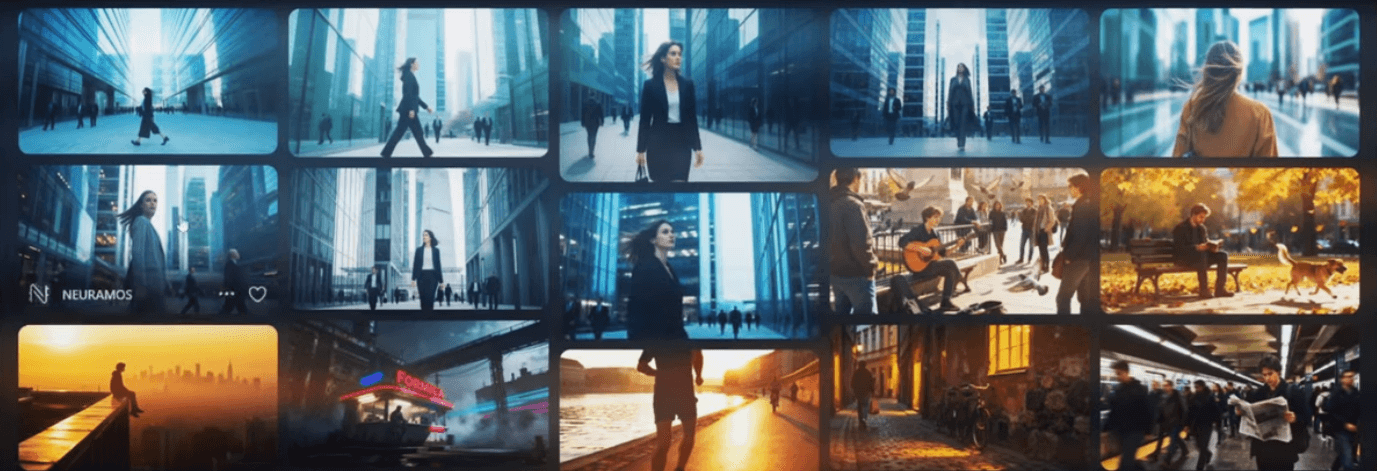
Regardless of the uncensored AI video technology, it may be used ethically and responsibly in various positive ways.
★ Freedom and Expression
Artists, filmmakers, and educators can be given the chance to conduct their work without the risk of censorship and can develop their work to take on challenging themes, conduct historical reenactments, or pioneer experimental narratives. In creative fields that pose ethical challenges, the use of AI in the creative process must:
- Honesty about AI contributions to the proposed work
- Consideration and respect for the work’s real and fictional characters
- Dominance and the Checking of Stereotypes
★ Education and Research
Researchers focusing on people and behavior, media awareness, or safety of artificial intelligence, need access to less restricted systems to understand the risks and develop protective measures. Therefore in this case, ethics involves the following dimensions:
- Institutional accountability
- Defined scope of the research
- Content created is securely stored
★ Accessibility and Innovation
AI video technology can facilitate accessibility through the creation of sign language avatars, visual breakdowns, and individualized instructional resources. Responsible use of uncensored systems may offer some flexible customizations that are restricted in the use of the censored systems.
Principles for the Ethical and Responsible Use
I. Transparency
AI users and developers must be open about the AI involvement in the created content. This transparency will allow the audience to trust the content and to assess it critically.
Best practices can be:
- AI video generation watermarks
- Labeling in the metadata
- Policies for AI content declaration
II. Informed Consent
The use of artificial intelligence videos should not be used without the consent of the people in the video who own the likeness, voice, or identity. Consent, for the use of the video should be:
- Given
- Known
- Able to be reversed
This is the most fundamental principle of the protection of human rights.
III. Purpose Limitation
Use of AI video technology should be for legitimate and pre-determined positive use. Creation of content with the intention to deceive, exploit, or cause harm to people is an ethical violation.
IV. Human Oversight
There must always be a tool that will be used in conjunction with the uncensored AI systems. Having a means of oversight to take control will always allow for the discerning of the misuse, fixing to keep in line, and conforming to the ethical line.
V. Responsibility and Governance
Developers and organizations must be able to construct frameworks for responsibility that will include the following:
- Guidelines for the users
- Methods to report the abuse
- Committees of ethics and board reviews within the organization.
Responsible governance ensures that one’s freedom does not become their folly.
The Role of Media Literacy
The prevalence of AI videos will require users to have a higher level of Media Literacy, particularly for younger audiences. It is important to educate the young against the potential of AI to develop content that is synthetically created to support its malicious intent.
Media literacy programs should promote the following:
- The ability to assess the reliability of various types of videos
- Understanding of AI manipulation techniques
- The ethics of sharing content
Being informed is one of the best protections against the misuse of AI.
Innovation Versus The Ethics of Responsible AI
The main arguments regarding the use of unfiltered AI video technology revolve around control and freedom. It is a paradox of needing both an unregulated and a heavily regulated AI video technology. The answer lies in more nuanced and better ethics policies that avoid both extreme censorship and extreme license.
To promote the responsible use of unfiltered AI technology, there is a need to ensure that the technology is flexible enough to allow for innovation and responsible enough to protect our society from harm.
Final Thought
The use of unfiltered AI video technology presents us with a double-edged sword. It is a creative instrument that can bring forth an ethical crisis. How a society will use this technology should depend on the values and ethics of those in control of it. Just because technology is innovative and advanced, it does not mean we can implement it however we wish to. Innovative technologies will have potential, but we will determine the true value of that potential through the way we choose to implement that technology.
Keeping the technology’s ethical challenges, social continuous trust, and individual freedom will be foremost from the technology’s unfiltered videos’ primary use.
Responsible use of the technology will support society instead of undermining it. To develop society, there will be open dialogue that includes the technology’s ethics, free-of-charge teaching, and the ethics of the society to be built.